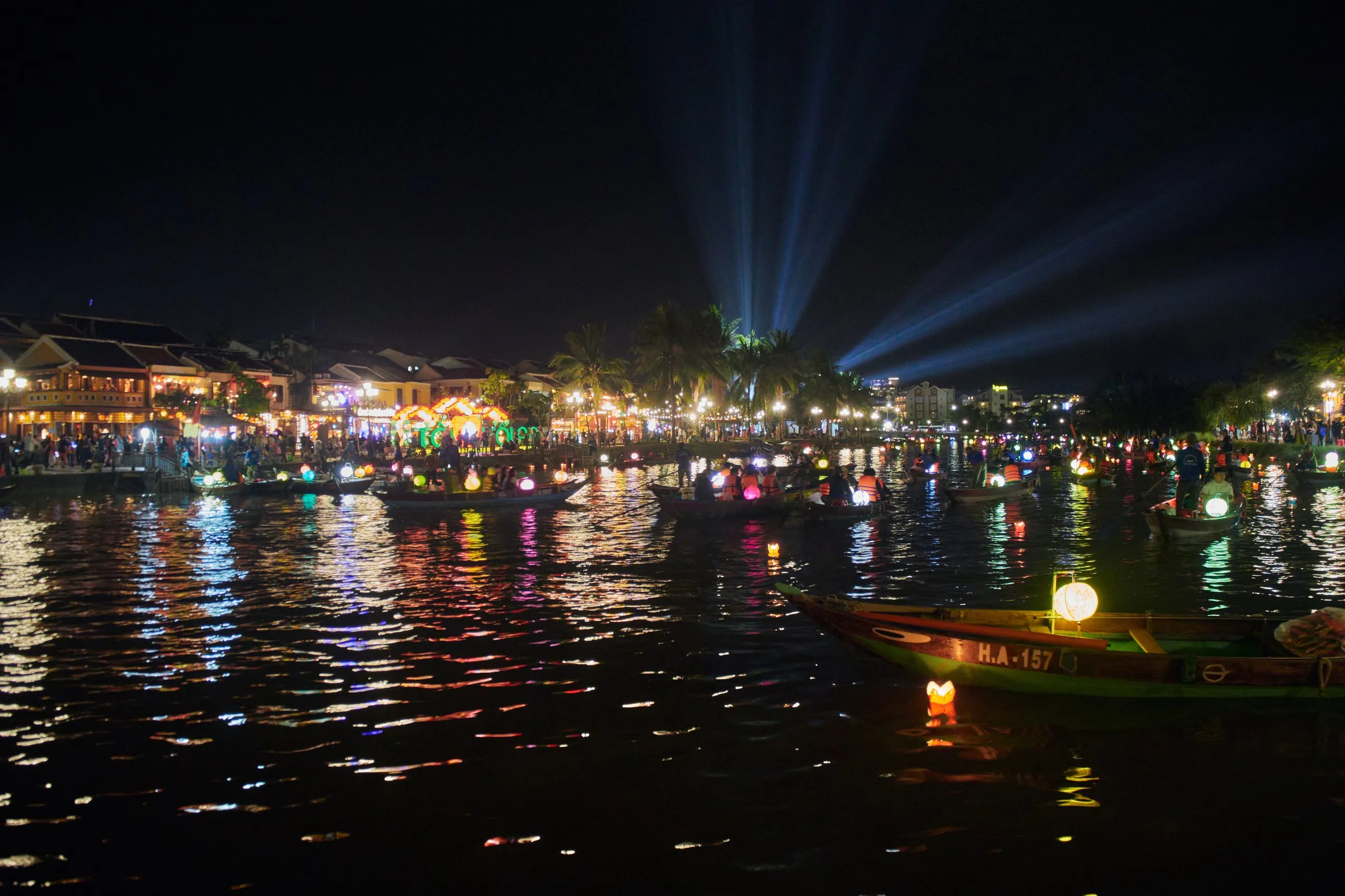
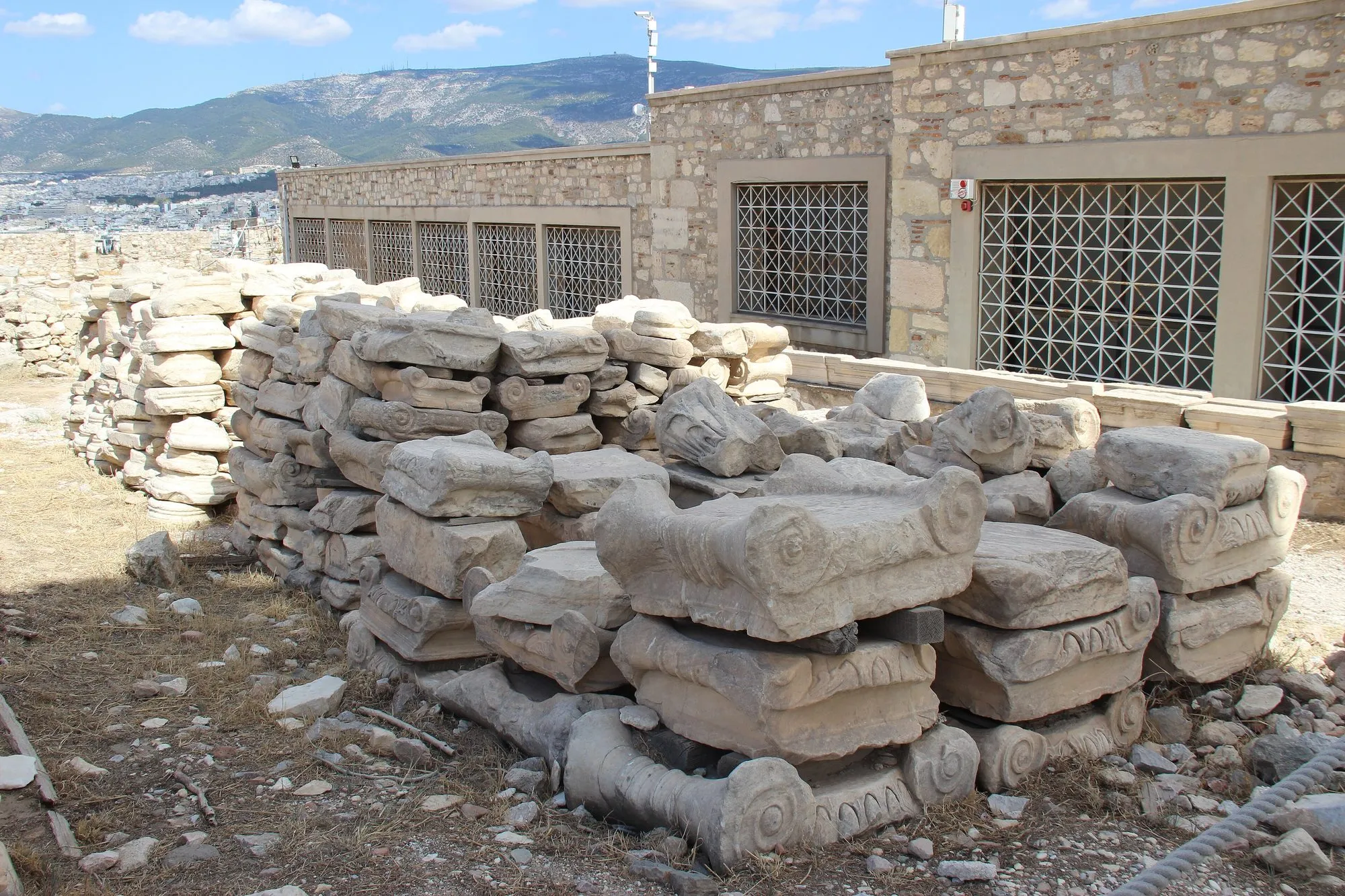
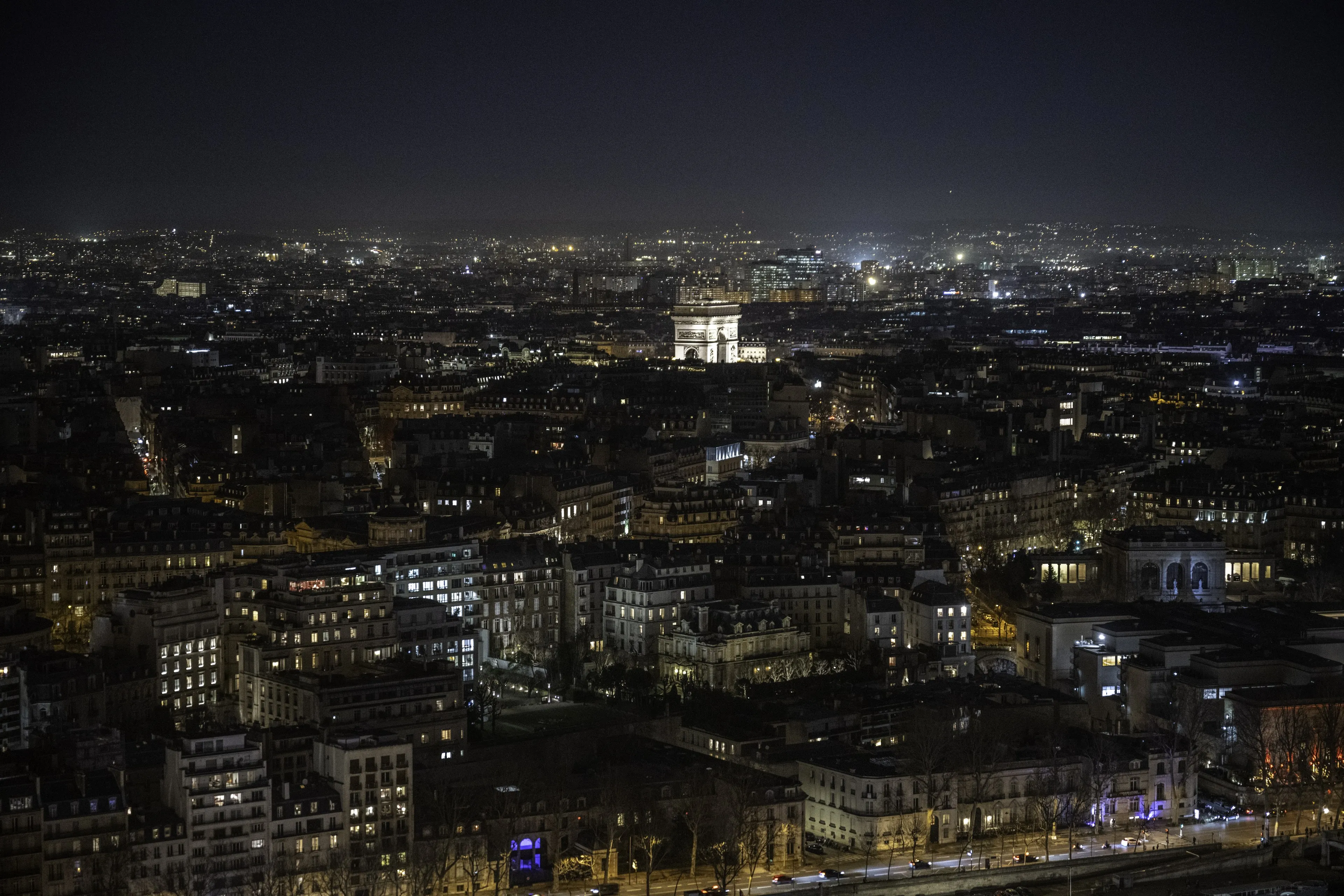
Japan itinerary for 10 days: Tokyo, Hakone, Kyoto, Osaka
A day-by-day 10-day Japan itinerary with real train times, the JR Pass math, the pre-flight booking list, and the pacing that fits the Golden Route.
Short answer: yes — ten days is enough for Japan’s Golden Route if you fly into Tokyo and home out of Osaka, keep one anchor per half-day, and let the rail pass cover only the moves it can.
The Golden Route is the Tokyo–Hakone–Kyoto–Osaka arc that first-time Japan itineraries follow: the icons sit on one straight rail line, so the moves are short and booked once.
The plan below runs Tokyo (4 nights) → Hakone (2) → Kyoto (4, with a Nara day trip) → Osaka (3, with a Kobe option), with the train times, the pass math and the booking list checked against the operators’ own pages. It is the 10-day version of our Japan itinerary for 14 days; when you are ready to turn either one into a client document, the free itinerary template uses the same grid.
A 10-day Japan itinerary at a glance
The Golden Route is the shape nearly every strong 10-day plan uses, because it puts the big train moves where jet lag and check-in are already handled. Four nights in Tokyo, two in Hakone, four in Kyoto, three in Osaka — and the trip ends at Kansai Airport instead of backtracking to Tokyo.
| Days | Base | Anchor(s) |
|---|---|---|
| 1–2 | Tokyo | Asakusa and old Tokyo; teamLab Borderless + Shibuya |
| 3 | Hakone | The mountain circuit; overnight ryokan |
| 4–6 | Kyoto | Arashiyama, Higashiyama, Nara day trip |
| 7–9 | Osaka | Fushimi Inari en route, Osaka Castle, Kobe or a free day |
| 10 | — | Kansai Airport, no excursion |
Two rules hold the plan together. First, one anchor per half-day — a museum, a shrine district, a market — with meals and slack around it. Second, travel days are travel days: the day you change cities holds the move, the check-in and nothing else. That second rule is where most ranked plans break; more on that on day 10.
Do you need the JR Pass for this 10-day Japan itinerary? The math
The Japan Rail Pass costs ¥50,000 for 7 days in ordinary class when bought online (Japan Rail Pass, checked 27 October 2026), or ¥53,000 through overseas agencies. It covers JR trains nationwide — but not the Nozomi or Mizuho shinkansen, the fastest Tokyo–Kyoto trains. Pass holders either ride the Hikari (about 20 minutes slower) or buy a special Nozomi ticket on top of the pass.
| Leg | Time | Covered by 7-day JR Pass? |
|---|---|---|
| Tokyo → Kyoto (Nozomi) | 2h20 fastest; Hikari 2h40 | Nozomi: no (special ticket); Hikari: yes |
| Kyoto → Nara (JR Miyakoji rapid) | 45 min, ¥720, every 30 min | Yes |
| Kyoto → Osaka (JR Special Rapid) | ~30 min, ¥580 | Yes |
| Osaka Namba → Kansai Airport (Nankai rapi:t) | 34 min minimum | No (private railway) |
The decision is arithmetic on your own dates: mark the Tokyo–Kyoto day, then check whether days 6–10 (Nara, Osaka, the airport) fit inside a 7-day window that starts on that day. If the shinkansen lands on day 5 and the pass runs days 5–11, the Nara and Osaka legs ride free inside it and the pass usually wins. If the long move sits outside any sensible window, point fares on the short legs — ¥720 to Nara, ¥580 to Osaka — are pocket change, and the pass loses. One more trap: the fastest train is the one the pass doesn’t cover. Booking the Nozomi without thinking turns “covered” legs into paid ones.
What to book before you fly
Three things genuinely sell out or gate the trip; everything else can wait until you are on the ground.
| Booking | Why before you fly | Checked |
|---|---|---|
| teamLab Borderless (Tokyo) | Tickets are date-specific and seasonal exhibits change; popular slots go first | 27 Oct 2026 |
| Hakone ryokan (night of day 3) | Small inventory, onsen rooms go months ahead in leaf season | 27 Oct 2026 |
| Nankai rapi:t ticket (KIX–Namba) | All-reserved seating on the fastest airport train; buy the limited-express ticket plus base fare | 27 Oct 2026 |
Add a fourth if the client holds a rail pass: the Nozomi special ticket can be bought before departure too. Everything else — Suica-style transit cards, Osaka Castle entry, market lunches — is a same-day decision.
Days 1–2: Tokyo
Day 1 — land, Asakusa, old Tokyo. From Narita, the Keisei Skyliner reaches Ueno in as little as 36–41 minutes depending on the terminal (Keisei, checked 27 October 2026); from Haneda, the Tokyo Monorail runs to Hamamatsucho every five minutes on average. Check in, buy a transit card at the station, and keep the afternoon to one district. Asakusa is the classic arrival day: Senso-ji’s grounds are walkable at any pace, Nakamise’s snack stalls run until early evening, and the whole district costs nothing beyond dinner. If the client lands late, swap in a neighborhood dinner near the hotel — day 1 is for the body clock, not the checklist.
Day 2 — teamLab morning, Shibuya afternoon. Book teamLab Borderless at Azabudai Hills for an opening slot: tickets are date-specific, and the museum reshapes its seasonal exhibits, so the morning visit doubles as the fresh-program visit (teamLab, checked 27 October 2026). After lunch, move west — Shibuya Crossing and the Harajuku backstreets, then the Shinjuku Metropolitan Government’s free observation deck for the night skyline. Two anchors, both half-days, no train longer than twenty minutes between them.
Day 3: Tokyo to Hakone
Leave after breakfast; the Odakyu line from Shinjuku runs straight into the mountains, and the Hakone Freepass covers the mountain railway, cablecar, ropeway and sightseeing boats once you are there. The circuit is the day: ropeway over the sulfur vents of Owakudani, the lake cruise with (on a clear day) Mt Fuji behind it, and the open-air museum if legs need a break. Check in at the ryokan by late afternoon — the kaiseki dinner and the onsen are the evening, and they are the reason day 3 exists. The ryokan night is the booking that moves earliest; in autumn it moves months ahead.
Days 4–6: Kyoto, with a Nara day trip
Day 4 — Hakone to Kyoto, arriving mid-afternoon. Ride the ropeway and one more Hakone piece in the morning, then take the shinkansen from Odawara to Kyoto. The Hikari makes the run in well under the 2h40 the Tokyo–Kyoto timetable shows, and the pass covers it where the Nozomi wouldn’t. Check in, and spend the evening in the Gion backstreets when the lanterns come on — the walk is the plan.
Day 5 — Arashiyama morning, Higashiyama afternoon. The JR Sagano line puts you at Arashiyama in about fifteen minutes; go at opening for the bamboo grove before the crowds, then the Tenryu-ji garden and the Katsura riverbank. After lunch, cross town: Kiyomizu-dera’s wooden terrace and the preserved Higashiyama lanes down to Yasaka Shrine. One anchor per half-day — Arashiyama is a morning, not a checklist.
Day 6 — Nara. The JR Miyakoji rapid runs Kyoto to Nara every 30 minutes for ¥720, 45 minutes each way (Japan Guide, checked 27 October 2026), and the Japan Rail Pass covers it; Kintetsu’s limited express is a few minutes faster for a higher fare. Nara is a half-day packed honestly: Todai-ji’s Great Buddha — one of the largest bronze figures in the world — the deer park around it, and Kasuga Taisha’s lantern-lined paths. Return to Kyoto by early evening and keep dinner simple near the station.
Days 7–9: Osaka and Kobe
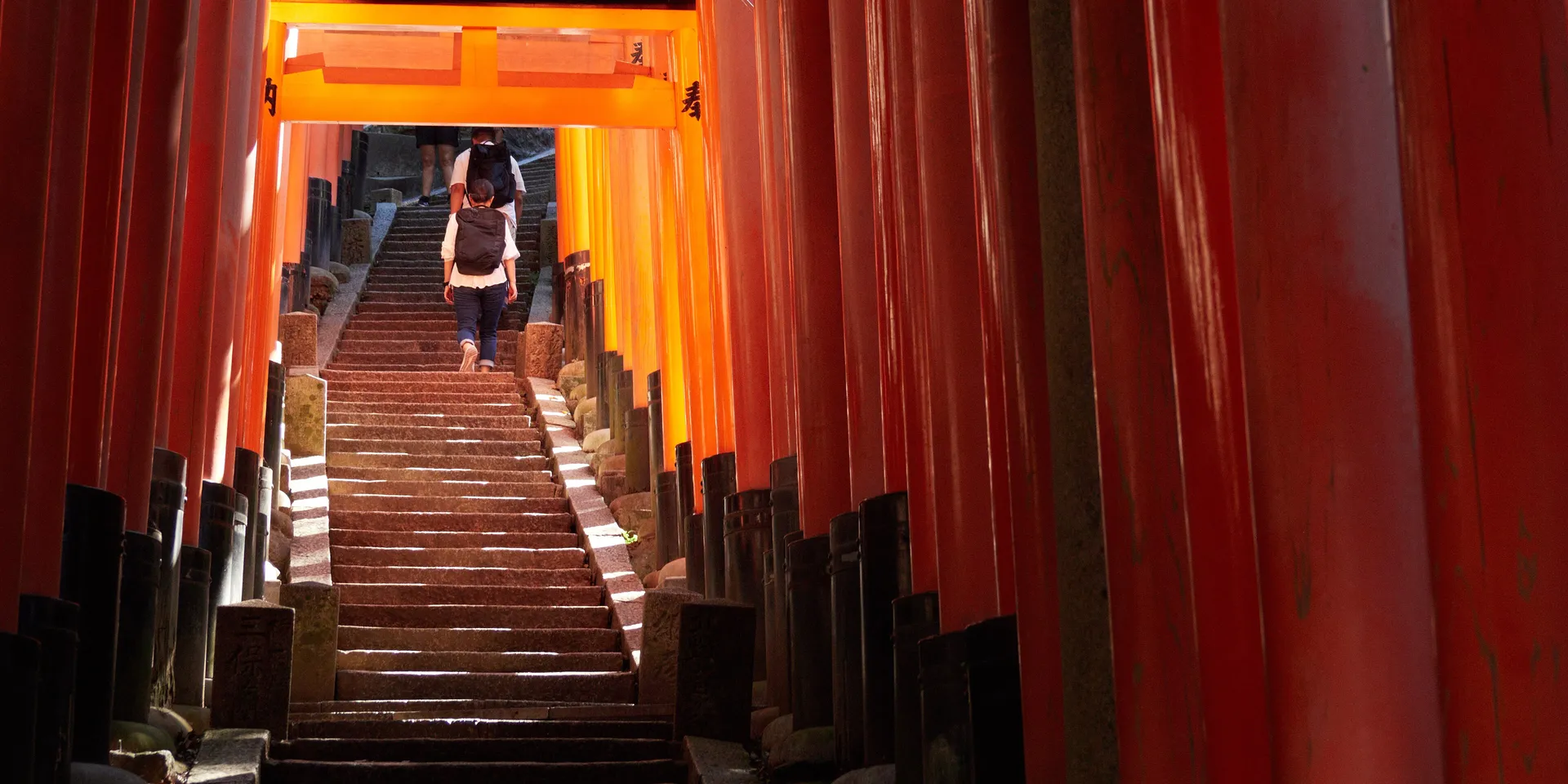
Day 7 — Fushimi Inari on the way out, Osaka on the way in. Pack, check out, and do Fushimi Inari first: the torii-gate tunnel up the mountain is at its best before mid-morning, and it sits on the JR Nara line back toward the city. From Kyoto Station, the JR Special Rapid reaches Osaka in about 30 minutes for ¥580 (Japan Guide, checked 27 October 2026) — covered by the pass. Drop the bags, then Osaka Castle: the park is free, the tower keeps museum hours, and the stone ramparts are the photo.
Day 8 — Osaka properly. Kuromon Market for breakfast, Dotonbori and the Shinsaibashi arcades through the afternoon, and street-food dinner where the lines are locals. Clients with theme-park minds swap this day for Universal Studios Japan; the rest of the plan doesn’t care which.
Day 9 — Kobe, or the slack day. Kobe’s Sannomiya is 20 minutes and ¥420 from Osaka on the JR Special Rapid — a harbor city with its own food identity, and an easy half-day. This is also the plan’s pressure valve: if day 7 or 8 slips (rain, a slow morning, a museum you lingered in), day 9 absorbs it, and nothing on day 10 depends on it. A plan without a slack day is a plan that borrows from the departure.
Day 10: fly home from Osaka
No excursion. The Nankai rapi:t limited express runs Osaka Namba to Kansai Airport in a minimum of 34 minutes, all seats reserved, with the limited-express ticket bought on top of the base fare (Nankai, checked 27 October 2026). That is the whole morning: breakfast, bags, train, airport.
The discipline matters more than it looks. When we read the nine page-one plans for “japan itinerary 10 days” on 26 October 2026, three of them scheduled a real excursion — a day trip or a timed entry — on the day the traveler flies home. A 9:00 departure means an 11:00 panic; one late train and the flight is at risk. Ending in Osaka instead of backtracking to Tokyo removes the single biggest mistake a 10-day plan can make, and an empty departure day is the cheapest insurance in the itinerary.
Turning this 10-day Japan itinerary into a client-ready trip
For agency owners, this plan is a starting structure — the client-ready version carries real confirmation numbers, the client’s local times, and the bookings from their own documents. The demand side is not abstract: advisors on r/travelagents and r/FATTravel describe full custom itineraries as their paid work, with planning fees around $250–350 as a base rate for 7 days in one widely-upvoted thread (r/FATTravel, community forum data — not a survey, read as one data point). Ten days in Japan is squarely that work.
And the client’s expectations are set by the tools they already use: 87% of travelers say they like to leave room in their itinerary for unexpected local discoveries (American Express, 2026 Global Travel Trends Report, checked 20 October 2026) — which is exactly what one anchor per half-day builds in.
Three moves turn this into the deliverable:
- Import the bookings, don’t retype them. With booking import, the client’s flight, ryokan and train confirmations become a day-by-day draft you review and publish.
- Check the two entry risks before check-in. The arrival-time calculator catches the timezone error on the Kansai flight; the passport validity checker catches the Japan entry rule before the airline does.
- Deliver it where it survives the trip. A PDF prints well; an app updates. The traveler app works offline on the client’s own phone, under your agency’s brand. Pricing is flat per agency — the same ¥50,000 pass math above is how we think about our own pricing. (Full disclosure: we make Viaondo, so read the craft above as craft and judge the tool on the 14-day free trial.)
The blank version of this format is the free itinerary template, and the two-week version of this route is our Japan itinerary for 14 days. Planning the Italy corridor next? Our Italy itinerary for 10 days runs the same rules on Rome, Florence and Venice.
Sources
- Kyoto City Official Travel Guide — Tokyo to Kyoto by Shinkansen (Nozomi ~2h20, Hikari ~2h40, Kodama ~3h40; JR Pass not valid on Nozomi) (accessed 27 October 2026)
- Japan Rail Pass — Purchase page (7-day ordinary ¥50,000 online / ¥53,000 at overseas agencies; 14-day ¥80,000) (accessed 27 October 2026)
- Japan Rail Pass — Special ticket for Nozomi/Mizuho (pass holders’ paid upgrade) (accessed 27 October 2026)
- Keisei Electric Railway — Skyliner access page (Narita to Ueno in as little as 36–41 minutes) (accessed 27 October 2026)
- Tokyo Monorail — Haneda to Hamamatsucho access (departures every five minutes on average) (accessed 27 October 2026)
- Odakyu — Hakone Freepass (covers Hakone’s mountain railways, cablecar, ropeway and boats) (accessed 22 October 2026)
- Japan Guide — Nara: getting there and around (JR Miyakoji rapid 45 min, ¥720, every 30 min; Kintetsu limited express ~35 min) (accessed 27 October 2026)
- Japan Guide — Osaka: getting there and around (JR Special Rapid ~30 min, ¥580; Osaka–Kobe Sannomiya 20 min, ¥420) (accessed 27 October 2026)
- Nankai Electric Railway — Rapi:t limited express (Kansai Airport–Namba, minimum 34 minutes, all reserved seating) (accessed 27 October 2026)
- teamLab — Borderless Tokyo at Azabudai Hills (museum page and seasonal exhibits) (accessed 27 October 2026)
- American Express Travel — 2026 Global Travel Trends Report (87% leave room for discovery) (accessed 20 October 2026)
- Reddit r/FATTravel — planning-fee thread (community data, labeled as such) (accessed 26 October 2026)